A 24 hour plumber cost depends on the problem, access, parts, damage, timing, and repair risk. Emergency work may cost more than planned work because the response must happen quickly. A clear quote should explain the repair, materials, urgency, and possible changes before work begins.
Plumbing trouble can cause damage fast. A small leak may reach walls, floors, or cabinets. A blocked drain may lead to a sewage backup. Knowing what affects emergency service helps homeowners, tenants, landlords, and business owners make sound choices.
Rockaway Plumbing helps property owners understand urgent plumbing choices before work starts. The same care matters when comparing an emergency plumber with a regular local service.
Table of Contents
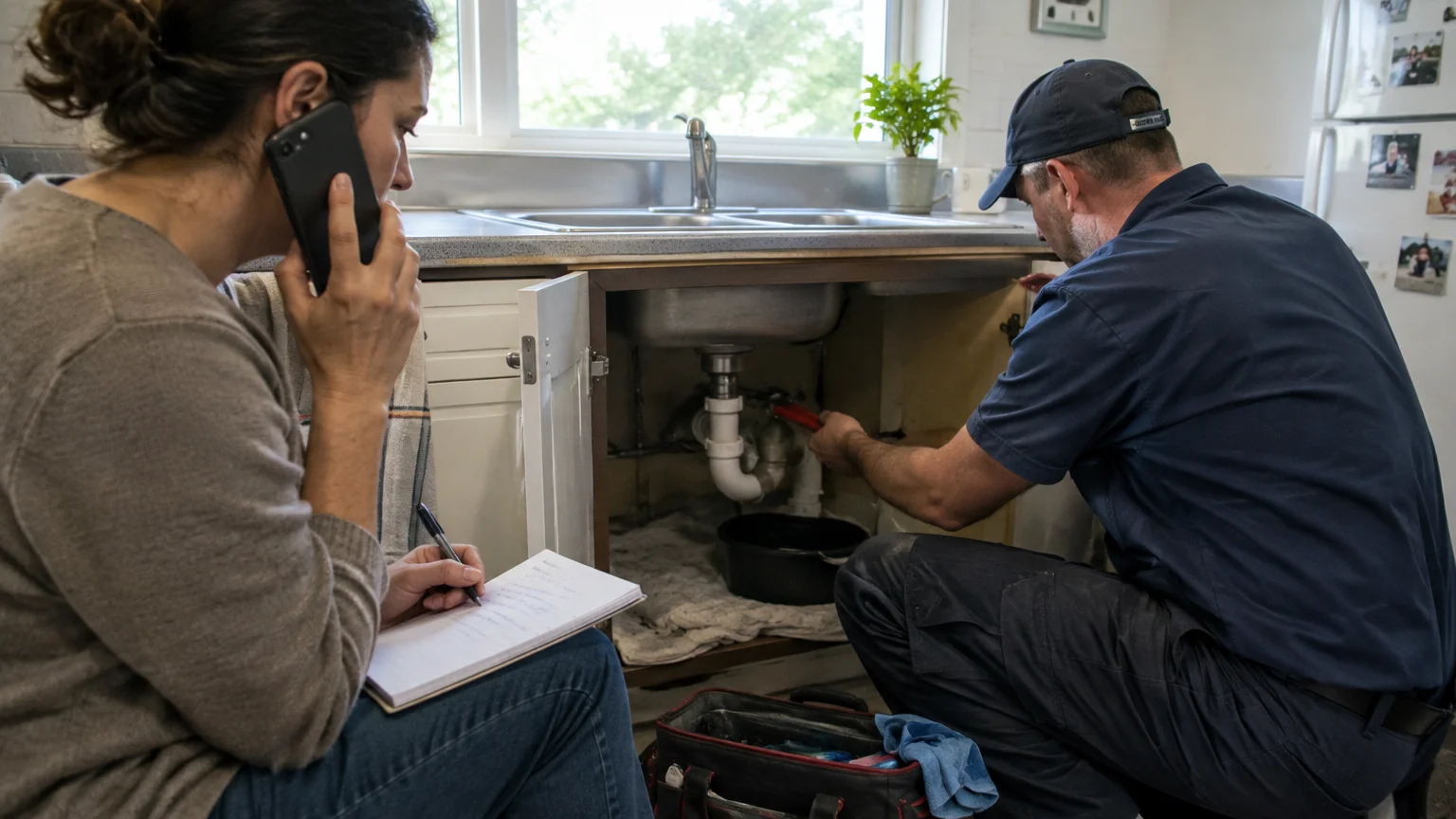
- How much does a 24-hour plumber cost?
- Why does emergency plumbing cost more after hours?
- What hidden fees can appear on an emergency plumbing bill?
- Which emergency plumbing problems require immediate attention?
- How can you compare emergency plumber quotes?
- How do you choose a trustworthy 24-hour plumber?
- How can you prepare for an emergency plumbing visit?
- Frequently Asked Questions
How much does a 24-hour plumber cost?
A 24 hour plumber cost changes with the kind of repair and site conditions. A small fixture issue is often less involved than a burst pipe behind a wall. Drain access, water damage, replacement parts, and special tools can all change the final amount.
The plumber should inspect the issue before giving a clear quote. The quote should explain the repair, needed parts, expected work, and conditions that could change the total. Ask questions before approving work, especially when the problem cannot be seen.
What factors determine emergency plumbing costs?
Several details affect plumbing costs. They include the fault’s location, the damaged area, the plumbing system’s age, and access to the repair site. A leak under a sink may be easy to reach. A leak under a slab or inside a wall may need more tests and work.
Urgency also matters. A plumber working at night, on a weekend, or during a holiday may need staff and tools outside normal hours. Parts may also be harder to find. These facts do not mean every emergency should cost more, so the quote should explain each added amount.
How does emergency service compare with standard plumbing work?
Planned work gives the owner time to compare choices and arrange access. Emergency work is different because delay may damage floors, cause mold growth, create electrical risks, or stop a business from operating. The best comparison is not only the service cost. It also includes speed, skill, the repair plan, and care for the property.
A trustworthy plumber does not use urgency to hide basic facts. Rockaway Plumbing can help Rockaway property owners understand what belongs in a quote. The final cost is confirmed on a quote after the plumber reviews the problem.
Why does emergency plumbing cost more after hours?
Emergency plumbing may cost more after hours because fewer plumbers may be available and the response must happen quickly. A technician may need to travel, bring special tools, or find parts while suppliers are closed. Any added cost should be explained before work begins.
Emergency plumbing means work needed to protect people, property, or key water service without delay. It does not mean every plumbing problem needs night work. A running toilet may wait in some cases, while a burst supply line may need action right away.
How timing, availability, and urgency affect the bill
Timing can affect staff, travel, parts, and access. A plumber may also need to protect a home after a pipe fails during freezing weather or heavy rain. Ask if temporary steps can control the issue until normal service is available.
The plumber should separate urgent work from optional upgrades. Replacing a failed shutoff valve may be urgent. Replacing nearby fixtures for looks may not be. This helps the customer focus on safety and damage control first.
When an emergency repair may prevent more expensive damage
Fast action can limit water loss and protect walls, cabinets, floors, and personal items. It can also reduce the chance of contact with sewage. A plumber may suggest shutting off water, removing standing water, or opening an access area to find the source.
The first repair may not solve every related issue. Water can travel far from where it first appears. A careful plumber explains what was found, what was fixed, and what should be checked later. This record helps owners plan follow-up work without guessing.
What hidden fees can appear on an emergency plumbing bill?
Unclear charges may involve travel, difficult access, after-hours work, parts, disposal, testing, or added labor. The concern is not only whether a charge exists. The concern is whether the plumber explains it before the customer approves the work.
Pricing rules vary by business and state, so one fee list does not apply everywhere. A written quote should show the planned work and the conditions that could change it. Be careful when a bill uses broad labels without giving a clear reason.
Common charges to clarify before work begins
Ask whether the quote includes diagnosis, repair, parts, cleanup, and testing. Also ask how the plumber handles damage found after opening a wall or floor. These questions can prevent confusion when a repair becomes more involved.
The following points deserve clear answers:
- What exact problem is the plumber repairing?
- Which parts and materials are included?
- What work is urgent, and what work can wait?
- What conditions could change the quoted amount?
- Who handles cleanup and removal of damaged materials?
How to identify unclear or unsupported fees
A vague quote may use broad terms without naming the work. A rushed demand for approval is another warning sign. Ask for plain language and time to review the document, unless an immediate safety risk requires action.
A reputable plumber should explain limits in an honest way. The customer should receive a copy of the quote or work order. Photos, notes, and test results may also show why a repair was advised.
Which emergency plumbing problems require immediate attention?
A burst pipe, major leak, sewage backup, or complete loss of water may need immediate plumbing help. These problems can damage property, create health concerns, or stop a home or business from operating. The first step is to protect people and stop the water when it is safe.
Know where the main water shutoff is located. Water near electrical equipment creates a serious hazard. Do not enter unsafe areas or touch electrical devices near standing water. Emergency services may be needed when the danger goes beyond plumbing.
Leaks, burst pipes, sewage backups, and loss of water
A burst pipe can release water quickly and may require the main shutoff to be closed at once. Keep people and pets away from a sewage backup. A hidden leak may show as wet drywall, peeling paint, a musty smell, or a water meter that moves while all fixtures are off.
To find a plumbing leak, check exposed pipes, cabinets, toilets, appliances, and ceilings below bathrooms. These checks may show signs but may not find a hidden pipe leak. A plumber can use testing tools when the source is not clear.
Problems that may safely wait for regular service
Some issues can wait when there is no active leak, health risk, or loss of key service. Examples include a slow drain, loose handle, noisy pipe, or toilet that still works but needs adjustment. Watch for changes and limit use if the issue gets worse.
A drain that keeps backing up should not be ignored for long. Repeated clogs may point to a deeper problem. Drain cleaning can help when buildup is the cause, but harsh chemicals may damage some pipes and make later repair work harder.
How can you compare emergency plumber quotes?
Compare emergency plumber quotes by reviewing the repair plan, parts, timing, limits, and warranty terms. The lowest quote may not be the best choice if it leaves out key work or uses unclear wording. A useful quote lets you compare the same work from one plumber with another.
Gather basic facts before calling. The leak’s location, fixture age, start time, and shutoff steps already taken can help the plumber prepare. Photos may also help when they can be taken safely.
What a detailed plumbing quote should include
A detailed quote should name the problem in plain language. It should state what the plumber plans to repair or replace. It should also explain whether testing, cleanup, permits, follow-up visits, or related damage fall outside the quoted work.
A strong quote does not promise more than the inspection supports. It explains uncertainty when a wall, floor, or pipe must be opened. Ask how approval will work if new damage is found.
Questions to ask before authorizing repairs
Ask who will perform the work and whether the plumber has the license and insurance needed for the job. Rules differ by state and local authority. Verify claims through the proper licensing office when needed.
Helpful questions include:
- What caused the problem?
- What happens if the first repair does not solve it?
- Are replacement parts suited to the existing system?
- What should the property owner do before the visit?
- What records will the customer receive after the work?
How do you choose a trustworthy 24-hour plumber?
A trustworthy 24-hour plumber explains the problem, gives clear terms, and treats the property with care. Look for suitable licensing, insurance, experience with the needed repair, and a local reputation you can check. These signs matter more than urgent advertising claims.
Rockaway Plumbing serves Rockaway Borough, White Meadow Lake, Denville, Dover, Mine Hill, Randolph, and nearby communities. It provides plumbing support for homes and businesses. A local business should still explain its qualifications and service limits. Do not assume a company is licensed only because its website says so.
Licensing, insurance, experience, and local reputation
Licensing rules vary across the United States. Check the state or local licensing authority when a license is required. Insurance can protect the property owner and the business, but ask what coverage applies to the work.
Reviews can reveal patterns about arrival times, communication, cleanup, and repair quality. One review does not prove everything. Several similar reviews and clear answers from the business offer better context.
Warning signs of unreliable emergency plumbing services
Warning signs include pressure to approve work without an inspection, refusal to explain the quote, vague business details, and claims that sound too good to be true. A plumber who will not identify the issue or give basic written terms deserves caution.
Be careful when a worker suggests major replacement without showing why repair will not work. A second opinion may help when the issue is not immediately dangerous. A real emergency still calls for quick action, but quick does not mean uninformed.
How can you prepare for an emergency plumbing visit?
Before the plumber arrives, shut off the water if safe, move items away from the leak, and keep people clear of wet or unsafe areas. Note when the issue began and which fixtures are affected. These steps can reduce damage and help the plumber find the cause faster.
A tenant should notify the property manager as soon as possible while taking safe steps to limit damage. A business owner should protect customers, staff, stock, and equipment. Photos can document the condition before cleanup, but safety always comes first.
Steps to reduce damage before the plumber arrives
The main shutoff may be near the water meter, inside a utility area, or beside the building. Individual fixture valves may stop water to a toilet, sink, or appliance. If a valve will not turn, do not force it because this may cause more damage.
You can open cabinets, remove standing water with safe methods, and place containers under small leaks. Chemical drain cleaners should not be mixed or used instead of finding the cause. Tell the plumber about any product already used.
Key takeaways for managing emergency plumbing costs
- Ask what makes the repair urgent and what can wait.
- Request a clear quote before approving nonessential work.
- Confirm parts, cleanup, testing, and possible changes.
- Check licensing, insurance, experience, and local reviews.
- Shut off water safely and protect people from hazards.
These steps help customers stay calm during a plumbing emergency. They also make it easier to compare a repair plan with the property’s needs. The final cost is confirmed on a quote after the plumber assesses the work.
For help with leaks, burst pipes, blocked drains, and water heater concerns, Contact us today to discuss the next safe step with Rockaway Plumbing.
Frequently Asked Questions
Does a 24-hour plumber always charge more than a regular plumber?
Not always, but emergency work may involve extra staff, travel, parts access, and urgent response needs. Compare the written scope instead of assuming one service is cheaper. A clear quote should explain why the work is needed and what conditions may change the final amount.
What should someone do if a pipe bursts in the home?
First, shut off the main water supply if it is safe. Stay away from standing water near electrical equipment. Move belongings from the area, document the damage, and contact an emergency plumber. A tenant should also notify the property manager quickly.
How can a homeowner find a water leak?
Check exposed pipes, toilets, appliance connections, ceilings, cabinets, and areas with damp smells or stains. A water meter that changes while all fixtures are off may suggest a leak. Hidden leaks often need professional testing because visible damage may be far from the source.
When should a blocked drain receive emergency help?
A blocked drain may need urgent help when sewage backs up, several fixtures stop draining, or water threatens floors and walls. A single slow sink may wait for regular service if there is no active leak. Repeated blockages should be checked because they may point to a deeper pipe problem.
How can a customer avoid unclear emergency plumbing charges?
Ask for a written quote that names the problem, planned repair, parts, cleanup, and possible changes. Ask questions before work starts. Vague terms, pressure to approve major work, and refusal to explain charges are reasons to pause when safety allows.
If you are not sure what you are dealing with, it is worth having someone look at it before it turns into a bigger job. Find out more about our emergency plumbing in Rockaway. Get in touch with Rockaway Plumbing today and we will tell you where you stand.