Tank Work
Tanks That Steady Your Water System
Rockaway Plumbing works on the tanks behind a steady water supply: thermal expansion tanks beside water heaters, pressure tanks on private wells and storage tanks that hold backup or rainwater. When one starts to fail you may see pressure that swings, a well pump that clicks on and off, a relief valve that weeps or damp fittings, and each gets harder to fix the longer it runs.
The job starts by matching the tank to the system, setting the air pre-charge and fitting proper valves. Whether it is a worn expansion tank, a waterlogged well tank or a storage tank to tie in, the work covers homes across Rockaway, NJ. New Jersey’s Uniform Construction Code, administered by the New Jersey Division of Codes and Standards, governs plumbing changes.
Tank Services
Tank Jobs We Handle
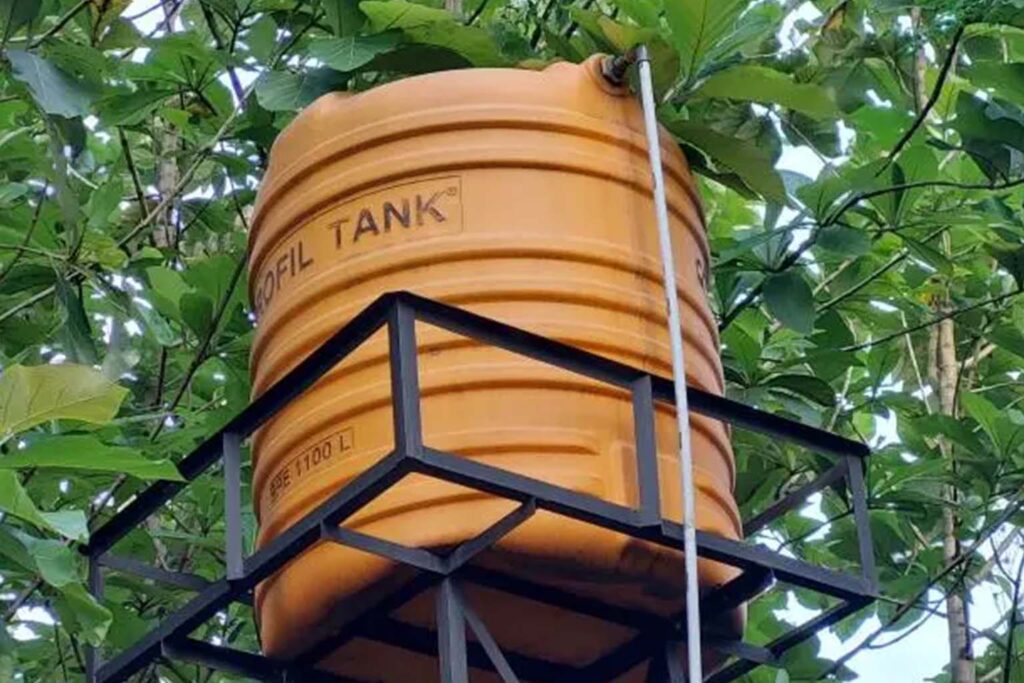
Installing a Fresh Tank
Expansion, well-pressure and storage tanks all go in, chosen to suit the water heater, pump or daily household demand.
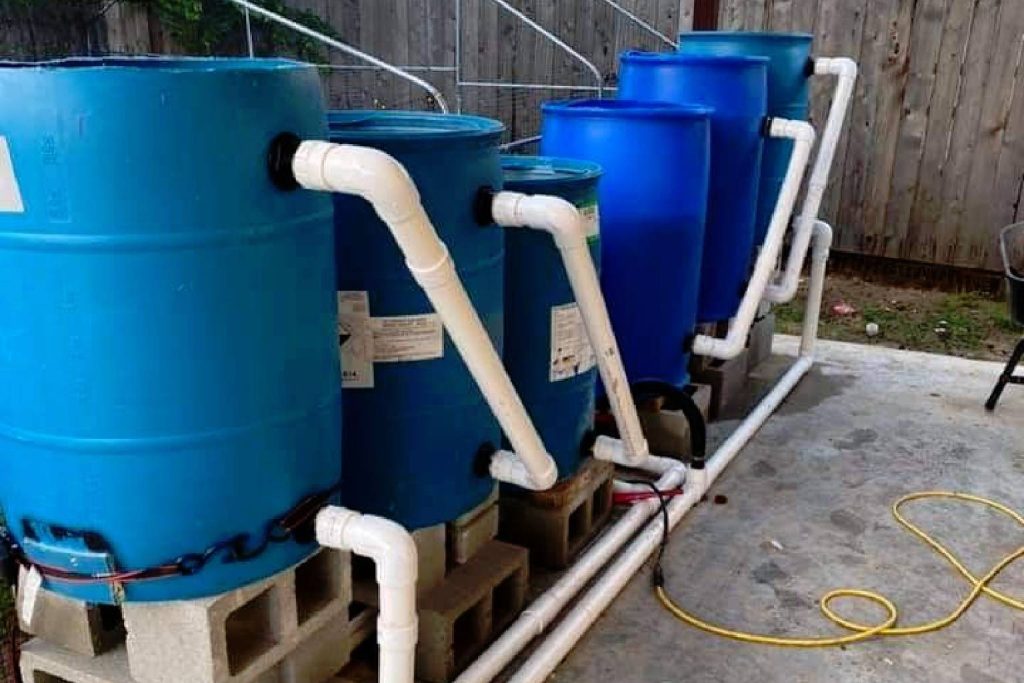
Swapping Out a Tank
A tank that is rusted through, leaking, waterlogged or too small gets replaced with a better-matched model.
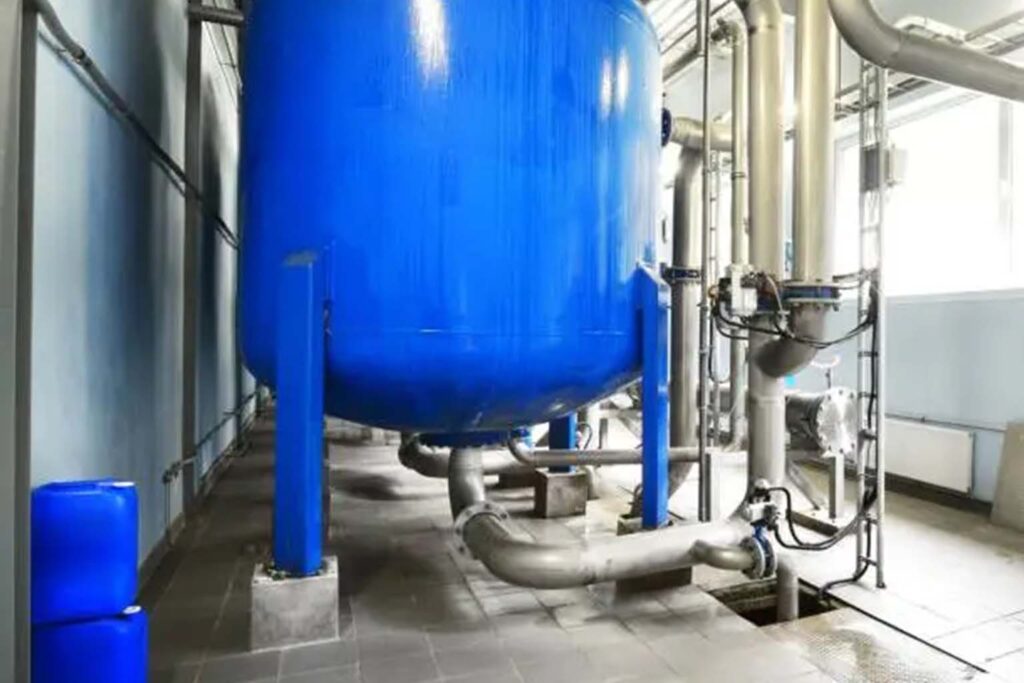
Expansion Tank Care
That means testing and resetting the air charge, replacing a spent tank and curing a relief valve that drips whenever the heater cycles.
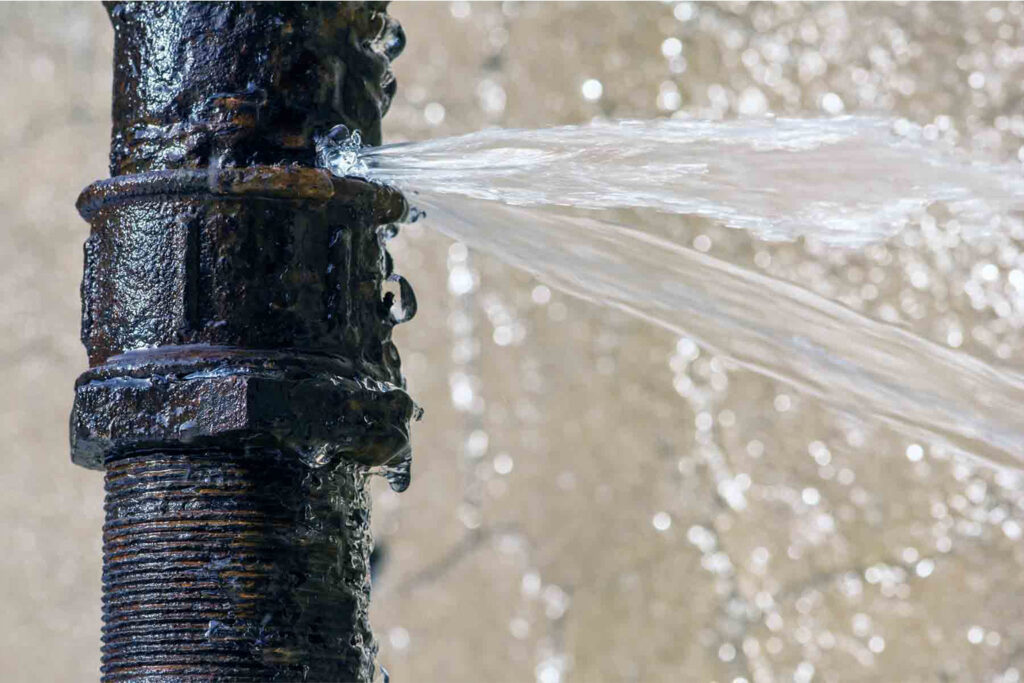
Stopping Leaks
Drips at the tank shell, the inlet and outlet connections or the valves get fixed before they soak floors and walls.
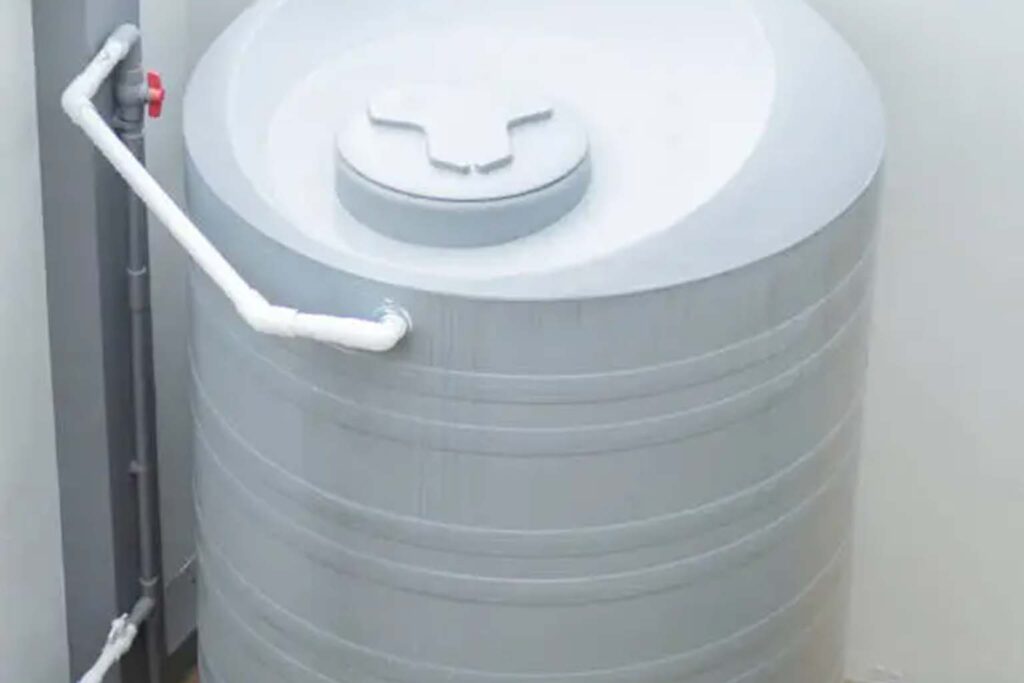
Well Tank Troubleshooting
Waterlogged tanks, wrong pressure-switch settings and pumps that short-cycle all shorten well equipment life when ignored.
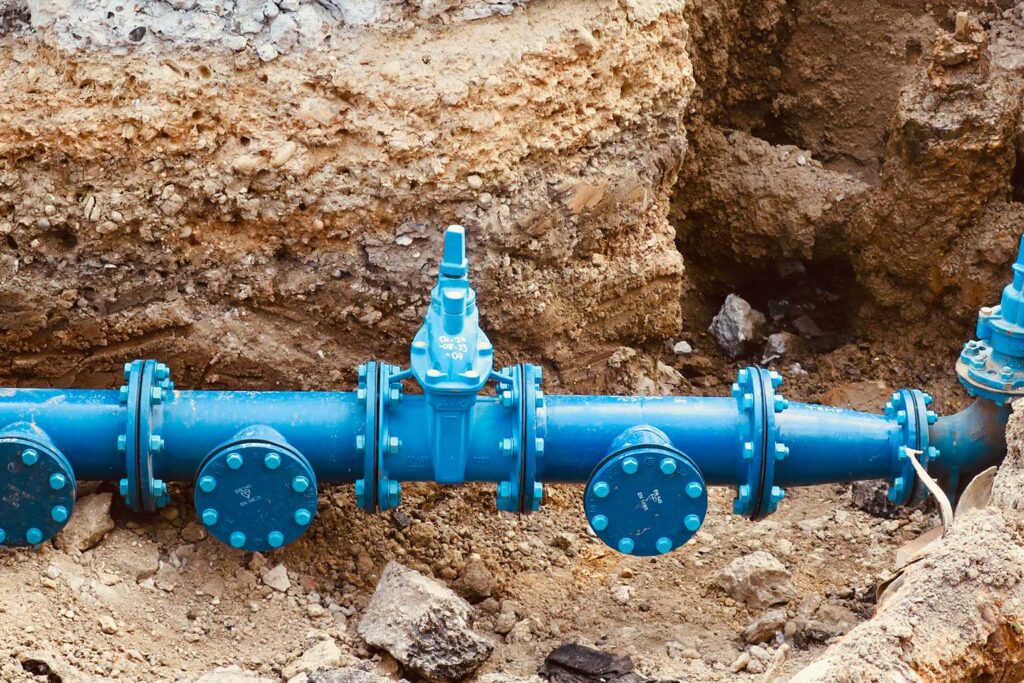
Fittings Around the Tank
Corroded pipe, tired shut-off valves, gauges and supports near the tank can be replaced alongside it.
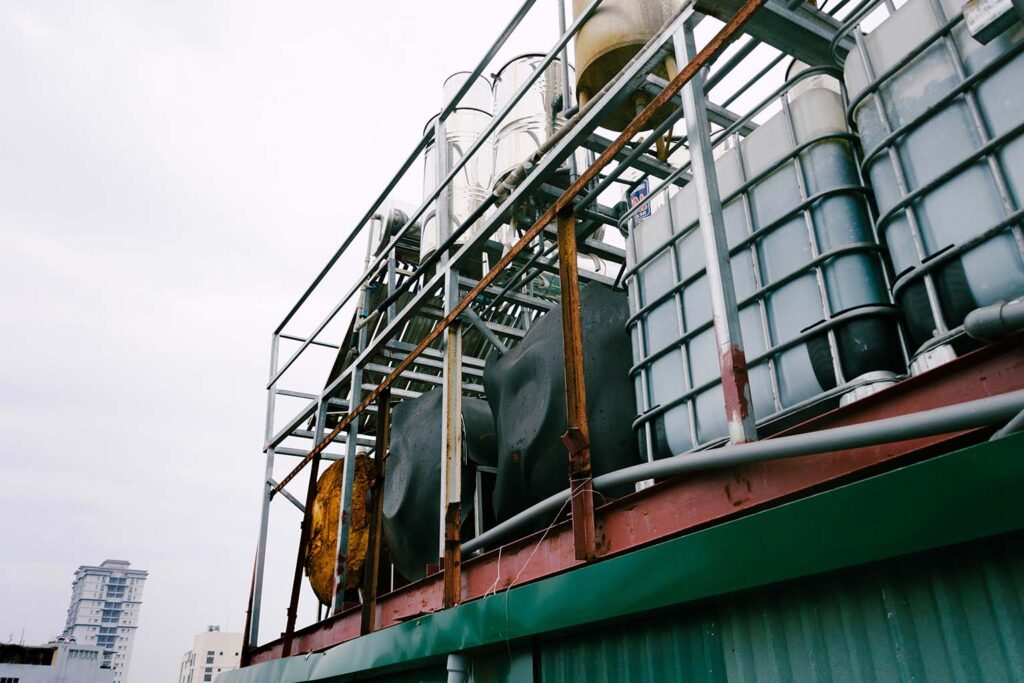
Hooking Up Storage Tanks
Backup and rainwater tanks are tied into the house plumbing along with the pump, filters and backflow protection needed.
Our Approach
Why Rockaway Plumbing for Tank Installation and Repair?

Built to the Instructions
Each tank is sized, mounted and connected according to the maker’s instructions, and the system gets tested before the job ends.

Close to Home
Jobs stay within Rockaway, NJ, so a follow-up visit is straightforward if something needs another look.

Root-Cause Repairs
From a spent expansion tank to a dead well tank, the aim is to cure the cause, not mask it.

Straight Answers
Expect help picking a tank size and type that fits your water heater, well or storage plan.

Respect for Your Floors
Drop cloths go down, the work area stays tidy, and the room is left as it was found.
A dripping valve or a pulsing pump deserves an honest diagnosis and workmanship you can rely on.
Symptoms
Tank Problems Worth Looking Into
- Wet tank or dripping fittings
- Relief valve weeping or spitting
- Pressure that pulses at the tap
- Well pump that clicks on and off
- Rust-streaked tank shell
- Pressure tank full of water
- Pipes that hammer or knock
- Expansion tank too small or spent
- Pressure that will not hold
If a tank is behind a problem at your place, the cause gets tracked down and corrected.
Neighborhoods covered
Where We Handle Tank Services Around Rockaway, NJ
Tank work is available across:
Questions We Hear Often
Water Tank Questions
How does an expansion tank work?
Heating makes water expand. In a closed plumbing system the extra volume has nowhere to go, so pressure climbs on pipes, valves and the heater. The tank holds an air cushion that takes up the surplus, which keeps pressure steady, protects fittings and the heater, and keeps the relief valve quiet.
What shows an expansion tank has gone bad?
Knock on it. A healthy tank sounds hollow in the upper part, while a waterlogged one is dull and solid from top to bottom. A weeping relief valve, pressure that jumps whenever the heater fires and water leaking from the tank’s air valve all point the same way.
What signals a worn-out well pressure tank?
Short cycling is the classic clue: the pump kicks on and off every few seconds with a tap running. Also watch for pulsing pressure at the faucet, a gauge needle that swings quickly, and rust or dampness showing on the tank.
What makes a heater relief valve drip?
A relief valve that drips usually means pressure peaks each time the heater runs, something a missing or spent expansion tank causes. A tired valve can also be to blame. Get it checked either way, because the valve is a safety device.
How many years does a pressure tank run?
How long it lasts depends on water quality, pressure settings and how often the pump cycles. Checking the air charge during regular upkeep and curing short cycling early do the most to stretch a tank’s life.
Is tank replacement a DIY job?
Possible, but it involves draining the system, matching the tank’s air charge to your water pressure and making watertight connections. One slip can flood a utility room or harm the pump or the heater, so most homeowners hire a plumber for it.
How do I choose an expansion tank size?
The answer turns on the capacity of the heater and the pressure in the house. A plumber measures both and picks a matching tank. Too small a tank leaves pressure to climb, while a very large one costs more than needed.
Is an expansion tank required with a new heater?
Where a check valve or pressure-reducing valve closes the system off at the main, one is usually needed, and codes often ask for it alongside a new heater. Rockaway Borough requires a permit for changes to plumbing systems, so ask about that too.
What causes a well pump to short-cycle?
Fast cycling usually signals that the tank has lost its air charge or its bladder has ruptured, so it cannot hold pressurized water. A bad pressure switch can do the same. Left alone, that constant cycling wears the pump out early.
Which kind of tank suits my house best?
Use decides it. Expansion tanks guard water heaters in closed systems, bladder-type pressure tanks suit private wells, and polyethylene tanks are common for storage above ground. Once the plan for the tank is clear, the choice is easy.
What decides the price of a tank replacement?
Cost moves with tank type and size, access and any pipe or valve work done at the same time. Get the price in writing, and confirm the plumber’s license with the New Jersey State Board of Examiners of Master Plumbers.
Does a storage tank need a slab beneath it?
Not necessarily, but the base must be firm and level. Large tanks and soft ground call for a concrete pad, while gravel or a rated platform handles many smaller ones. Before digging for a pad, 811 must be called three business days ahead.